Checkout
Why Small Merchants Lose Sales
Small businesses can lose customers at the counter when payment systems are slow, unreliable, or hard for staff to use.
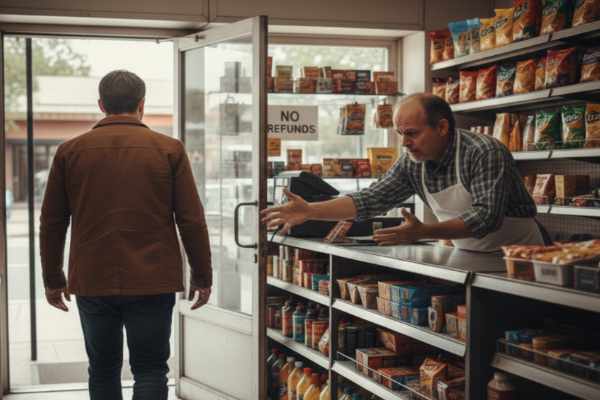
Let me be blunt: Most small merchants aren’t losing customers because of their prices, products, or service.
They’re losing them at the counter. At the moment of truth. Right when money is supposed to hit the register.
I’ve seen it a thousand times — in bodegas, butcher shops, corner stores, salons, retail counters… The product is great. The customer is ready. And the sale dies because the payment process feels like 1998 dial-up internet.
Small merchants think this is “normal.” It’s not. It’s preventable revenue loss.
Let’s break it down the way nobody else will.
Where Payments Break and Where Money Walks Out the Door
1. Outdated Terminals That Move Like They’re on Lunch Break
Some terminals are so old they should be in a museum. Tap. Nothing. Dip. Nothing. Try again. Maybe.
By the third attempt, the customer isn’t frustrated with their card — they’re frustrated with your business. And they won’t say it. They just don’t come back.
2. Connectivity Dead Zones Nobody Talks About
Small shops operate in the trenches:
- Basements
- Thick concrete buildings
- Refrigerators blocking Wi-Fi
- Old routers sitting behind a meat counter
When the connection drops mid-transaction, it’s game over. The customer says, “I’ll come back later.” And 90% don’t.
That’s not a payment issue — that’s a profits leaking through the walls issue.
3. The Declines That Aren’t Real Declines
Most “declines” small merchants face are false. Bad routing. Bank lag. Token mismatches. Issuer outages.
The customer thinks:
“My card works everywhere else; why not here?”
The merchant thinks:
“What did I do wrong?”
Neither is true. The system failed — and the merchant paid the price.
4. Limited Payment Options = Silent Lost Sales
Today’s customers pay how they want to pay: Apple Pay, Google Pay, tap-to-pay, QR, bank-to-bank, digital wallets…
If you only accept one method, customers simply walk away. And they won’t explain why. They just disappear like nothing ever happened.
5. Bad Billing Descriptors That Trigger Silent Chargebacks
If your descriptor looks like random letters or the name of a processor no one knows, congratulations: You’re generating disputes for free.
Clean, clear descriptors are one of the easiest ways to protect your revenue — but most small merchants don’t know this is an option.
The Real Cost of Payment Friction
A failed payment feels small in the moment. But over a month, the losses are painful:
- Lost regulars
- Lower trust
- Higher disputes
- Staff frustration
- Slower lines
- Bad word-of-mouth
Small merchants don’t talk about this because they think it’s “part of the job.”
It’s not. It’s just part of an outdated system.
How Smart Payments Fix Everything (Really)
1. Modern Terminals = Faster Lines + Higher Conversion
Speed isn’t cosmetic — it’s psychological. Fast terminals feel professional. Slow terminals feel uncertain.
2. Multi-Connection Terminals Keep You Alive
Wi-Fi down? Switch to LTE. Ethernet cuts out? Backup connection kicks in.
Small merchants shouldn’t lose money because the internet hiccups.
3. Smarter Routing Reduces False Declines Automatically
Good systems route transactions through the cleanest, fastest path. Your approval rates rise instantly.
4. Adding Payment Options Expands Your Customer Base
If you let customers pay the way they prefer, you win more sales. Simple formula.
5. Clean Records Reduce Disputes
If a customer recognizes the charge, they don’t dispute the charge. This alone saves the average small shop hundreds per month.
Where Small Merchants Should Start Today
Do this for one day:
- Watch how customers pay.
- Count every failed attempt.
- Note every slowdown at the counter.
- Ask which payment methods they wish you accepted.
- Check the Wi-Fi signal where your terminal actually sits.
- Review your disputes — they’re telling you exactly where money is slipping away.
Expedio Payments helps merchants choose payment tools that fit the way they actually operate, from counter service to mobile checkout and industry-specific workflows.
Talk to Expedio